
Cricket Pads Explained: Best Types of Cricket Pads for Protection
Cricket is a game of high speeds and hard leather balls. Standing at the crease requires confidence, and that confidence comes from trusting your gear. For any batter, protecting your legs is just as important as protecting your wicket. However, with so many options available today, choosing the right equipment can be confusing.
Are you unsure which types of cricket pads are right for you? Whether you are facing a bowling machine at 70mph or playing a casual weekend game, the wrong choice can lead to painful bruises or limited mobility.
This guide breaks down the technology behind modern leg guards. We will analyze the construction materials, weight differences, and shock absorption capabilities of various pads. By the end of this post, you will know exactly which style suits your game and safety requirements.
Understanding Different Types of Cricket Pads
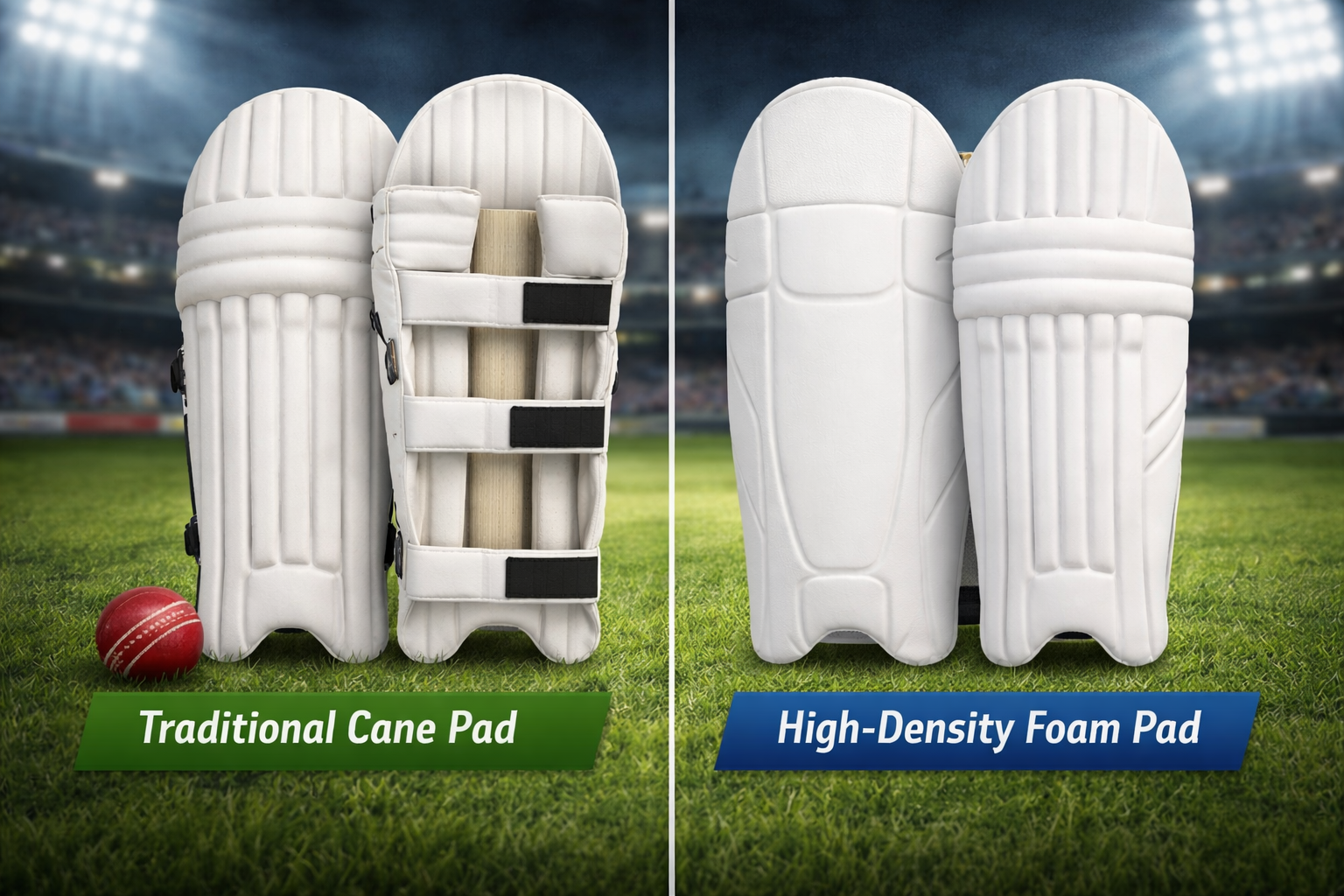
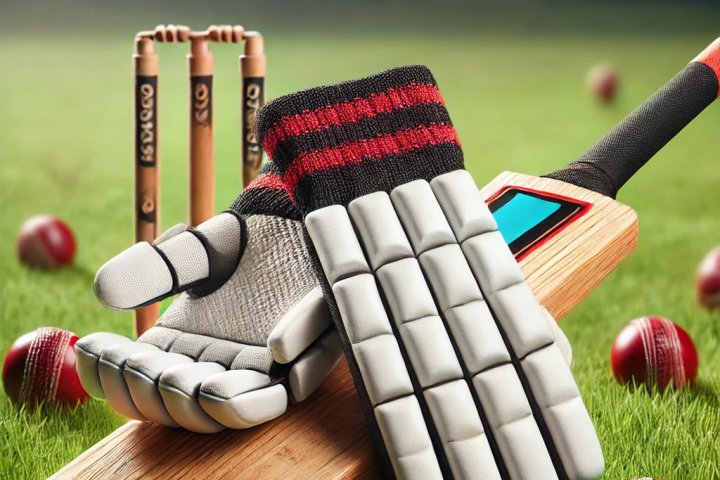
Decades ago, there was only one choice: heavy pads filled with cotton and reinforced with bamboo cane. Today, technology has revolutionized cricket gear. There are now three main types of cricket pads dominating the market. Each offers a different balance of protection, weight, and aesthetics.
1. Traditional Cane Pads
These are the pads you likely recognize from classic test matches. They feature distinct vertical ribs running down the front. These ribs are filled with stiff cane (wood) and bolstered with cotton or foam padding behind them.
Pros:
- Superior Shock Absorption: The rigid cane spreads the impact of the ball effectively.
- Durability: They tend to keep their shape longer over many seasons.
- Bounce: The hard face often results in the ball rebounding further, reducing the chance of catching a close catch.
Cons:
- Weight: They are generally heavier than modern foam options.
- Maintenance: Can be harder to clean if the fabric between ribs gets dirty.
2. High-Density Foam (HDF) Pads
HDF pads, or "moulded pads," represent the modern era. They look smooth and lack the distinct vertical ridges of cane pads. They are constructed using ultra-lightweight synthetic foam.
Pros:
- Incredibly Lightweight: Essential for running quick singles and extended innings.
- Modern Look: Preferred by T20 players for their sleek design.
- Flexibility: Often softer and wrap around the leg more easily right out of the box.
Cons:
- Rebound: The ball can sometimes "deaden" on the pad, dropping closer to your feet.
- Protection at Top Speeds: Cheaper HDF models may not stop high-speed impact as well as cane.
3. Hybrid Pads
Can’t decide between tradition and technology? Hybrid pads offer the best of both worlds. They typically feature traditional cane rods in the center (to protect the shin bone) and lightweight HDF on the side wings. This creates a balanced pad that offers great protection without excessive weight.
Which Pads Offer the Best Protection?
The million-dollar question for every parent and player is about safety. When analyzing types of cricket pads, which one actually stops the pain?
If you are facing extreme pace (85mph+), Traditional Cane pads are generally considered the gold standard for protection. The rigidity of the cane acts as a shield, preventing the force of the ball from transferring through to the shin.
However, top-tier HDF pads have closed the gap significantly. Premium HDF pads now use advanced impact gels and multiple layers of foam to disperse shock.
Verdict:
- For pure protection: Traditional Cane or Premium Hybrid.
- For mobility and comfort: HDF (High-Density Foam).
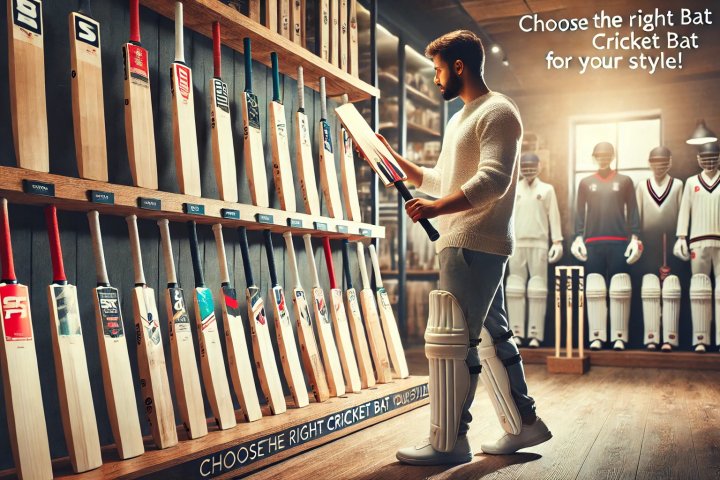
If you are looking to upgrade your entire kit, remember to match your protection level with high-quality cricket bats that suit your style of play. A confident player needs both defense and attack.
Key Construction Features to Look For
Regardless of the types of cricket pads you choose, certain internal features determine the quality. When shopping on CricketDiscounts.com, look for these specifications in the product description.
The Knee Roll
This is critical for flexibility. A well-constructed knee roll allows you to bend forward for front-foot shots without the pad stiffening up. Look for "angled" or "3D-shaped" knee rolls for the best fit.
The Bolster
The bolster is the padding on the inside of the pad that touches your leg.
- Best: Removable, washable pads with CoolMax or breathable mesh.
- Budget: Fixed cotton padding.
The Wings
Side wings provide wrap-around protection for the side of your calf and knee. This is vital when playing cross-batted shots like the pull or hook. Ensure the wings are made of high-density foam rather than just soft fill.
Choosing Pads Based on Skill Level
Your level of play dictates what types of cricket pads you should buy. You do not always need Test-match standard gear for junior club cricket, but you should never compromise safety.
Juniors and Beginners
- Recommended: Budget HDF or Entry-level Cane.
- Reasoning: At lower bowling speeds, massive impact protection isn't the priority—weight is. Heavy pads can ruin a junior player's running technique. Look for "Ambidenxtrous" pads if you are buying for a club kit, as they fit both left and right-handers.
- Check our Special Products section for beginner bundles.
Club Cricketers (Intermediate)
- Recommended: Hybrid or Mid-range Cane.
- Reasoning: You need protection against medium-fast bowling (60-75mph). A hybrid pad reduces fatigue during long Saturday innings while protecting the shin from the occasional bad ball.
Pro / Elite Players
- Recommended: Top-tier Cane or Pro-Grade HDF.
- Reasoning: Facing fast bowling requires the highest density materials. Comfort over 50 overs is also non-negotiable, so premium straps and moisture-wicking linings are standard.
Top Brands for Protection and Comfort
When browsing through our discounted cricket equipment, you will encounter several leading brands. Here is a quick overview of who makes what.
- Gray-Nicolls: Famous for their Hybrid and Cane pads. They are known for "The Legend" series, which offers classic styling.
- Kookaburra: Their "Kahuna" and "Ghost" ranges often feature lightweight HDF construction. They are popular with aggressive modern players.
- Gunn & Moore (GM): They offer a patented "Poron XRD" foam in their top pads, which absorbs up to 90% of energy at high speed.
- DSC / SF: Known for offering professional-grade protection at very competitive price points.
You can often find these top brands in our New Arrivals section as the seasons change.
Sizing and Fit Guide
Even the most expensive types of cricket pads won't protect you if they don't fit.
- Measure: From the center of your knee cap down to where your shoe tongue sits (the instep).
- The Fit: The knee roll must align perfectly with your knee when you bend.
- Straps: The straps should be tight enough to hold the pad in place, but not so tight they cut off circulation. Modern pads use wide "butterfly" straps for better comfort.
- Small Junior: 30-32cm
- Junior: 32-35cm
- Youth: 36-38cm
- Adult: 39-43cm
- Large Adult: 44cm+
Maintenance Tips for Longevity
Cricket gear is an investment. Here is how to keep your pads fresh:
- Air them out: Never leave sweaty pads in a closed kit bag. This breeds bacteria and weakens the stitching.
- Clean the facing: Wipe down the front (especially if white PU) with a damp cloth after matches to remove grass stains and ball marks.
- Check the velcro: Over time, velcro straps collect fluff. Clean them out with a comb to ensure they stay secure during a run.
FAQs
1. Which types of cricket pads are lighter, cane or foam?
High-Density Foam (HDF) pads are significantly lighter than traditional cane pads. This makes them ideal for batsmen who rely on running fast between the wickets or for junior players developing their strength.
2. Can I use ambidextrous pads for hard-ball cricket?
Yes, ambidextrous pads are designed for hard-ball cricket, but they are generally found in entry-level ranges. Serious players usually prefer pads dedicated to left or right-handers as the side wings offer better specific protection.
3. How often should I replace my batting pads?
You should replace your pads when the stuffing inside the bolsters becomes thin and lumpy, or if the velcro straps lose their grip. If you can feel the impact of the ball painfully through the pad, it is time for an upgrade.
4. Do more expensive pads offer better protection?
Generally, yes. More expensive pads use higher quality cane and denser technical foams. However, mid-range pads from reputable brands usually offer sufficient protection for most club-level cricketers.
5. How do I stop my cricket pads from slipping down?
Ensure you are wearing the correct size. The knee roll must sit over your knee. Also, cross the straps on the back of your calves or wear "pads underneath" trousers, which helps friction hold them in place.
Conclusion
Selecting the right protection is about finding the balance between safety and performance. Whether you prefer the classic look of cane or the futuristic speed of HDF, knowing the distinct types of cricket pads ensures you make a smart purchase.
Remember, a confident batter is a dangerous batter. When you trust your protection, your footwork improves, and you play the ball later and harder.
Visit CricketDiscounts.com to explore top-quality cricket gear at the best prices. Check our extensive range to find the perfect fit for your next innings!


Leave a comment