

Top Rated Cricket Gloves: Ultimate Guide to Comfort & Grip
Every batter knows the feeling. You are facing a fast bowler, but your focus is broken by sweaty hands or an uncomfortable pinch in your palm. The connection between you and your bat is vital. That is why choosing the right pair of gloves is not just about avoiding bruises. It is about control, confidence, and comfort at the crease.
In this guide, we explore how to find top rated cricket gloves that offer the perfect balance of protection and flexibility. Whether you are a beginner looking for your first kit or a seasoned club player upgrading your gear, understanding the anatomy of a batting glove is essential.
Why Your Choice of Gloves Matters
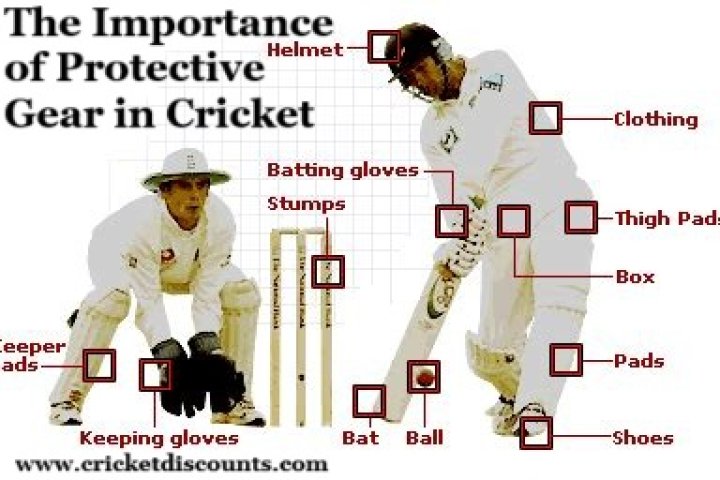
Cricket gloves serve two primary purposes. First, they protect your fingers and knuckles from high-speed impact. Second, they provide the friction needed to hold the bat handle firmly without straining your forearms.
Top rated cricket gloves are designed to manage moisture. Sweaty hands can cause the bat to twist on impact, leading to a weak shot or a catch at slip. High-quality gloves absorb perspiration and allow airflow, keeping your grip secure for long innings.
Key Materials: Leather Types Explained
The palm of the glove is the most critical area. It dictates the "feel" and the lifespan of the gear. Manufacturers generally use three types of materials for palms:
- Pittards Leather: This is the gold standard. Used in premium gloves, Pittards leather is chemically treated to remain soft even after drying out from sweat. It offers a "tacky" grip and lasts the longest.
- Sheepskin Leather: This is the most common material for club-level gear. It is incredibly soft and comfortable right out of the packet. It provides excellent feedback from the bat handle.
- Calfskin Leather: Often found in entry-level or junior gloves. It is durable and tough but may not offer the same soft, premium feel as sheepskin or Pittards.
- Cotton or PVC Palms: These are found in the cheapest gloves or hard tennis ball cricket gear. They are not recommended for serious leather ball cricket as they lack sufficient grip and shock absorption.
How to Identify Top Rated Cricket Gloves
When browsing for gear, looking at the price tag isn't enough. You need to inspect the build. Here are the features that separate average gloves from the best ones.
1. Split Finger vs. Sausage Finger
This is the biggest debate in cricket gear.
- Sausage Finger (Rounded): These gloves have continuous rolls of foam down the finger. They offer heavy-duty protection because there are fewer gaps. However, they can feel stiff initially and require time to "break in."
- Split Finger (Multi-section): These gloves have segments (usually two or three) on each finger. This design allows your hand to curl around the handle easily. They offer amazing flexibility but expose slightly more gaps between the padding.
For maximum comfort, many players now choose hybrid designs. These feature sausage padding on the dominant fingers (index and middle) and split padding on the others.
2. Side Bar Protection
When you hold a bat, the side of your lead hand is exposed to the bowler. High-quality gloves feature extra padding on the side of the index finger and the thumb. Look for high-density foam or plastic inserts in these areas.
3. Wrist Straps and Airflow
The wrist strap (towel wristband) should be wide and double-sided for a secure fit. It acts as a sweatband, stopping moisture from running down your arm into your palm.
Furthermore, check the ventilation. Good gloves have mesh gussets between the fingers and perforations in the palm. This airflow prevents your hands from overheating during summer matches.
Sizing and Fit Guide
A common error is buying gloves that are too large. If the glove is loose, the leather will bunch up in your palm. This bunching causes blisters and reduces your control over the bat.
A glove is a good fit if:
- The tips of your fingers almost touch the end of the glove.
- The closure strap sits directly on your wrist bone, not up the forearm.
- You can make a fist without fighting the resistance of the padding.
| Feature | Club Grade (Standard) | Pro Grade (Top Rated) |
| Palm Material | Calfskin or Standard Sheepskin | Premium Sheepskin or Pittards |
| Finger Padding | Cotton / Basic Foam | High-Density Foam (HDF) |
| Grip Texture | Smooth | Textured or Dimpled |
| Thumb Protection | Single piece foam | 2-3 piece articulated foam |
| Life Expectancy | 1–2 Seasons | 2–4 Seasons (with care) |
Extending the Life of Your Gloves
Even the most expensive gear will ruin quickly if neglected. Sweat contains salts that dry out leather, making it brittle and prone to tearing.
- Air them out: Never leave wet gloves in your kit bag. Let them dry naturally in the shade (avoid direct sunlight or heaters, which harden the leather).
- Rotate pairs: If you bat for long periods, keep two pairs. Swap them every 30 minutes to manage moisture.
- Avoid water: Do not wash your gloves with water. If they are dirty, wipe them with a damp cloth or use a specialized leather cleaner.
Common Buying Mistakes to Avoid
Before you finalize your purchase on a site like CricketDiscounts.com, ensure you aren't making these rookie errors:
1. Ignoring "handedness"
Gloves are specific to right-handed (RH) or left-handed (LH) batters. The extra thumb protection is always on the bottom hand. Buying the wrong orientation leaves your leading thumb exposed to bouncers.
2. Choosing heavy protection over flexibility
Unless you are facing 140km/h bowling, you may not need bulky Test-level protection. Sometimes, lighter gloves offer better bat speed and comfort for club cricket.
3. Focusing on color over function
White gloves are traditional, but modern T20 styles are colorful. Ensure the visual design doesn't distract you from checking the quality of the palm leather.
Frequently Asked Questions (FAQs)
What are the most durable cricket gloves?
Gloves with Pittards leather reinforcement on the palm and heavy-duty wear patches are the most durable. Brands like Kookaburra and Gunn & Moore usually offer reinforced palms in their top-tier ranges.
Can I wash my cricket gloves?
No, you should not submerge leather gloves in water. It ruins the natural oils. Use a leather conditioner to keep them soft and air them out after every use to prevent odors.
What is the difference between HDF and Cane protection?
HDF (High-Density Foam) is lightweight and absorbs impact well. Traditional gloves used cane rods for stiffness. Modern top rated cricket gloves often combine HDF with plastic inserts for the best protection-to-weight ratio.
How tight should batting gloves be?
They should be snug "like a second skin." If there is extra room at the fingertips, it will affect your feel of the bat. However, they should not be so tight that they cut off circulation.
Final Thoughts
Selecting the right equipment can significantly improve your game. The confidence that comes from knowing your hands are safe allows you to focus solely on the ball. When looking for top rated cricket gloves, prioritize the quality of the leather palm and the flexibility of the fingers.
Ready to find your perfect fit? Browse our wide selection of batting gloves to find premium protection that fits your budget.
Protect your hands and play with confidence.
Explore quality cricket gear at discounted prices on CricketDiscounts.com and find the perfect pair of gloves to elevate your game today.




Leave a comment